

Pregnancy is a special time in a woman’s life, but it also comes with new considerations for health and well-being. One question that often arises is whether it’s safe to get dental implants during pregnancy. While maintaining oral health is crucial during this time, dental procedures like implants may raise concerns. Can you undergo implant surgery without risking your health or that of your baby?
In this blog, we’ll explore whether it’s safe to get dental implants during pregnancy or if it’s better to wait until after your baby is born. At Rifle Valley Family Dentistry, we understand how important it is to make informed decisions, especially when it comes to your dental care and pregnancy.
Understanding the Basics of Dental Implants
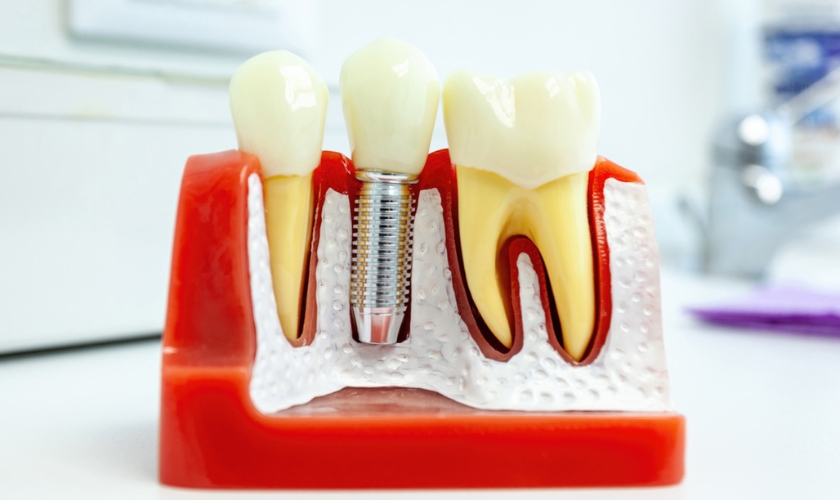
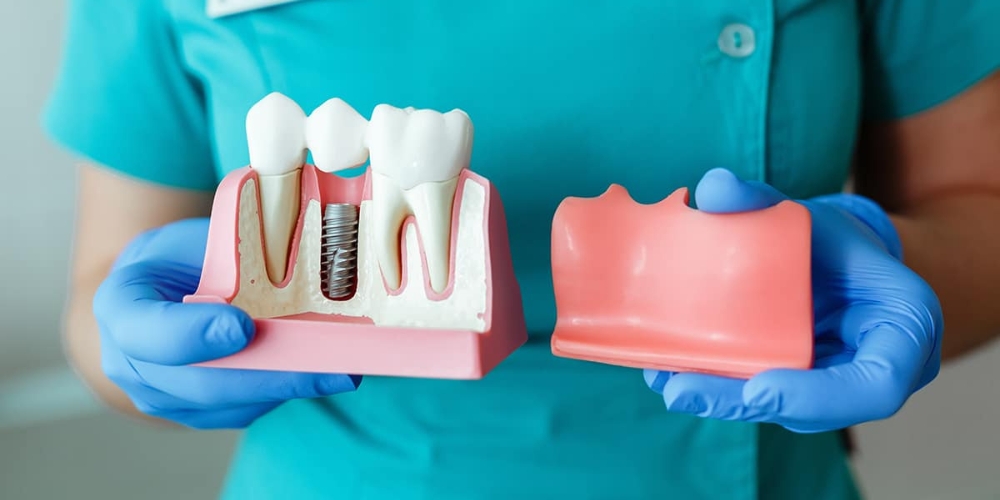
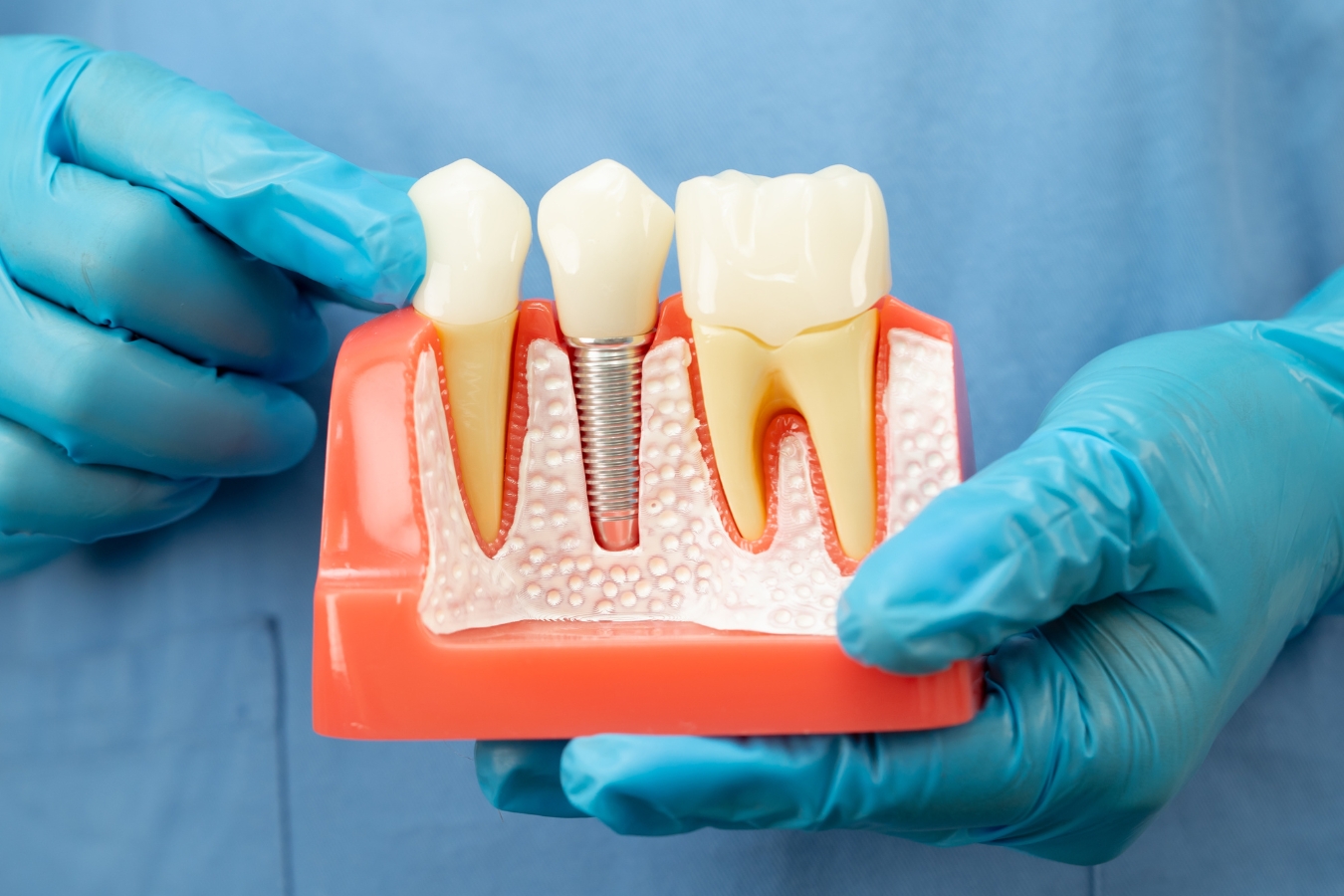
Dental implants are a popular and effective solution for replacing missing teeth. They consist of a titanium post that is surgically placed into the jawbone, mimicking the root of a natural tooth.
Over time, the bone fuses with the implant in a process called osseointegration, creating a stable foundation for a crown, bridge, or denture. This process helps restore both the function and appearance of the teeth.
The benefits of dental implants are numerous: they help restore chewing ability, improve speech, enhance the aesthetic appearance of the smile, and prevent bone loss in the jaw. Unlike traditional dentures, implants are permanent and provide a more natural feel. The procedure is typically safe and highly successful for most patients.
However, when it comes to pregnancy, certain factors need to be considered. Pregnancy alters hormone levels and can affect dental health, which might make it more challenging to perform certain dental procedures, including implants. Although dental implants in Rifle are generally safe, pregnancy requires extra precautions and careful timing to ensure both the mother’s and baby’s safety.
Why Pregnancy Matters in Dental Treatment
Pregnancy can significantly impact oral health, with hormonal changes influencing gum tissue, saliva production, and overall immune response. One of the most common pregnancy-related dental issues is pregnancy gingivitis, which causes swollen, bleeding gums. This can make maintaining oral hygiene more difficult, potentially increasing the risk of oral infections, including gum disease.
When it comes to dental procedures, including implants, pregnancy introduces several factors to consider. During pregnancy, certain medications and anesthetics may not be safe. For instance, some forms of anesthesia and antibiotics could pose risks to the baby, especially during the first and third trimesters. Additionally, the body’s immune system is altered during pregnancy, which could affect the healing process after surgery.
It’s important to consult both your obstetrician and dentist before deciding on any dental procedure during pregnancy. They can help assess whether it’s safe for you to move forward with implants and if the timing is right. Pregnancy-specific health considerations must be taken into account to ensure a safe procedure and optimal recovery.
The Risks and Benefits of Getting Dental Implants During Pregnancy
When considering dental implants in Rifle during pregnancy, it’s crucial to weigh both the risks and benefits to ensure the safety of both mother and baby.
Risks
One of the primary risks of getting dental implants during pregnancy is the use of anesthesia. Certain types of anesthesia may not be safe during pregnancy, particularly in the first trimester when fetal development is most vulnerable.
Some anesthetic agents could potentially affect the baby’s development. Additionally, there is a risk of infection following surgery. While infection is a possibility in any surgical procedure, pregnancy can alter the immune system, making it harder to fight off infections.
This is why managing infection with the appropriate antibiotics is critical, but some antibiotics might not be safe for pregnant women. Only pregnancy-safe medications must be used.
Benefits
Despite these risks, there are situations where getting implants during pregnancy may still be a viable option. If the pregnancy is progressing smoothly and the woman is in good health, dental restoration through implants can be performed with careful planning.
For example, if a woman is experiencing significant tooth loss or damage, implants can restore function, improve oral health, and prevent further complications, such as bone loss. These benefits can significantly improve the quality of life during pregnancy.
Timing and Considerations
The second trimester is generally considered the safest time to undergo dental implant surgery during pregnancy. During this period, the baby’s organs are fully developed, and the risk of complications is lower.
Even then, precautions must be taken, including limiting exposure to anesthesia and ensuring that the procedure is essential for the mother’s health. Always consult with both your dentist and obstetrician to determine the safest course of action.
When Is the Best Time to Get Dental Implants During Pregnancy?
The second trimester, typically between weeks 14 and 27, is generally considered the safest time for non-emergency dental procedures like implants during pregnancy. During this period, the baby’s organs are fully formed, and the risks of complications from anesthesia and surgery are lower. Many medical professionals advise that this is the optimal time for elective treatments since the pregnancy is more stable, and the risk to both the mother and baby is reduced.
That said, it’s often recommended to wait until after the pregnancy to undergo dental implant surgery. This is due to the risks associated with anesthesia, medications, and potential infections, which could affect both mother and baby.
Additionally, the healing process after surgery can be complicated during pregnancy, as hormonal changes can alter the body’s response to recovery. Waiting ensures that there are no unnecessary risks to the baby’s development and gives the mother time to fully recover from childbirth.
In the meantime, if dental issues arise, temporary solutions can be used. For instance, if tooth loss or decay occurs, dental cleanings or fillings may be sufficient to maintain oral health during pregnancy. These treatments can help manage dental concerns without the need for invasive procedures. Additionally, non-permanent dental solutions like temporary crowns or bridges can be considered to address any immediate needs, ensuring comfort until after the pregnancy.
Consulting with both your dentist and obstetrician is essential to assess your individual situation and determine the best course of action. Together, they can guide you on when it’s safe to proceed with implants or alternative treatments.
What to Do If You Need Implants During Pregnancy
If you require implants during pregnancy, the first step is to consult with both your dentist and obstetrician. Your dental team at Rifle Valley Family Dentistry will collaborate with your healthcare providers to ensure the safety of both you and your baby. Together, they will assess the risks of the procedure and recommend the best course of action.
Managing your oral health during pregnancy is critical, so make sure to maintain regular dental check-ups. This includes professional cleanings and examinations to detect and address potential issues before they become more serious. Early intervention can help avoid complications and ensure you’re in the best possible shape for any dental treatments you may need.
Selecting a dentist with experience in treating pregnant patients is also essential. At Rifle Valley Family Dentistry, we prioritize your comfort and safety throughout your pregnancy and work with you to develop a treatment plan that suits your needs and the health of your baby.
In most cases, it’s best to wait until after pregnancy to undergo dental implant procedures. However, with careful planning and coordination between your dentist and obstetrician, it may be possible to safely proceed with implants during certain stages of pregnancy. Always consult with healthcare professionals to make the best choice for your unique situation.
If you’re considering dental implants, book a consultation at Rifle Valley Family Dentistry to discuss your options and create a personalized treatment plan. We’re here to help you achieve a healthy smile while prioritizing the safety of both you and your baby.
Frequently Asked Questions
Is it safe to have anesthesia during pregnancy for dental implants?
Some anesthesia options may not be safe during pregnancy, especially in the first trimester. Consult your dentist and obstetrician to choose the safest option.
Why should I wait until after pregnancy for dental implants?
Waiting until after pregnancy reduces the risks of anesthesia, infection, and complications during recovery, ensuring a safer treatment process for both mother and baby.
Is the healing process different for pregnant women after dental implants?
Hormonal changes during pregnancy can affect healing, making it potentially slower or more complicated. It’s important to follow your dentist’s aftercare instructions closely.
What are the risks of infection during dental implant surgery in pregnancy?
Pregnancy can alter the immune system, making it harder to fight infections. Extra caution is needed, and antibiotics used must be pregnancy-safe.
Can dental implants affect my pregnancy?
When performed under the right conditions, dental implants generally do not affect pregnancy. However, it’s essential to consult with both your dentist and obstetrician to ensure safety.