



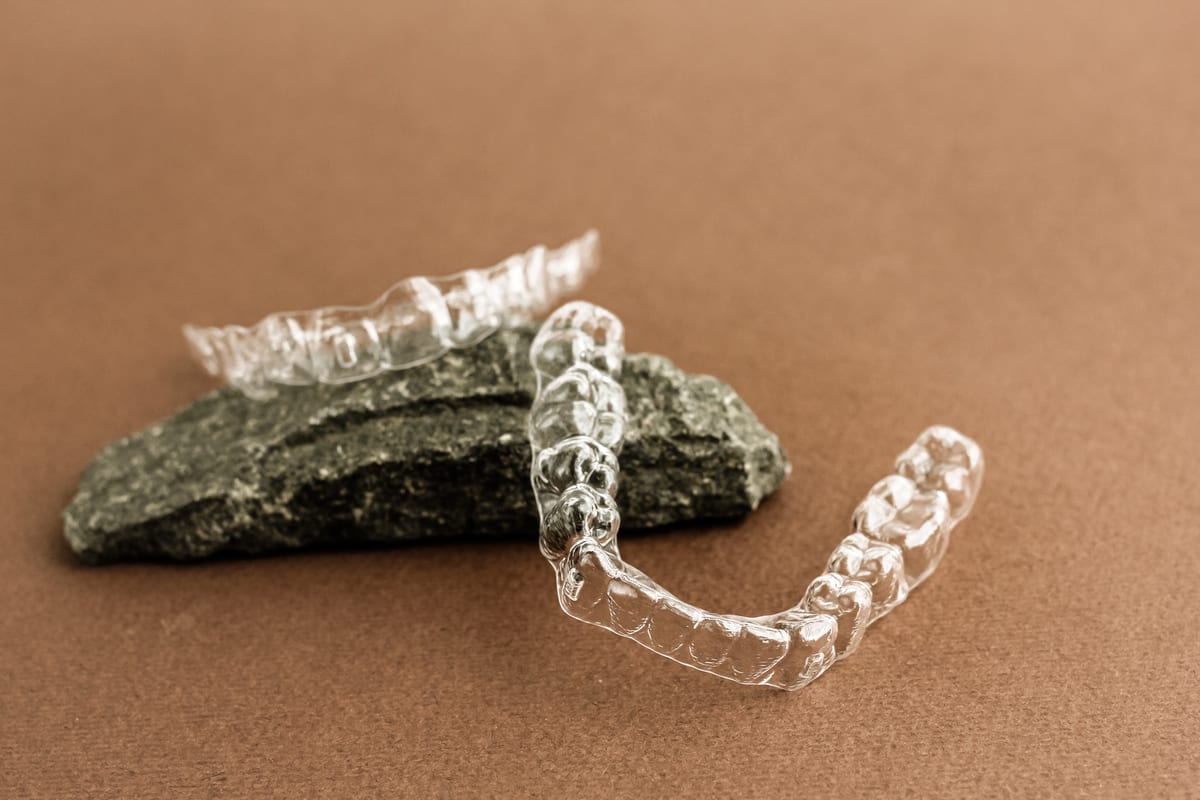
If you wear clear aligners, you have probably wondered why you switch trays so often. The two-week schedule is not arbitrary. It follows real dental science. At Rifle Valley Family Dentistry, Dr. Nathan Millerberg helps Rifle, CO patients understand exactly how their ProMonitoring by Glidewell treatment works — and why each tray swap matters. Understanding the process helps you stay committed and get the best results possible.
How Clear Aligners Move Your Teeth: The Science Behind the Schedule in Rifle
Teeth move through a process called bone remodeling. When pressure is applied to a tooth, the bone on one side breaks down. New bone forms on the other side to stabilize the tooth in its new position. This is a biological cycle that takes time. Your body literally rebuilds the bone around each tooth as it shifts.
Each ProMonitoring by Glidewell tray is designed to move your teeth a very small amount — typically around 0.25 millimeters per stage. That small increment is deliberate. Too much force too fast can damage the roots and gum tissue. Gradual, controlled pressure keeps the process safe and effective.
After about two weeks, your teeth have adapted to one tray’s position. Moving to the next tray introduces a new, gentle level of pressure. The cycle repeats throughout your entire treatment. This is the engine that drives your smile transformation forward.
Why Two Weeks Is the Magic Number
Two weeks aligns with the natural rhythm of bone remodeling. Research shows that the initial cellular response to orthodontic pressure peaks within the first few days. By the end of two weeks, the tooth has largely settled into its new position. Switching trays at this point takes advantage of that biological momentum.
Switching too early does not give your bone enough time to solidify the new position. Switching too late means your teeth stop progressing. Two weeks strikes the right balance between speed and safety. That is why Dr. Millerberg follows this schedule closely with every ProMonitoring by Glidewell patient in Rifle.
Some patients do move to a new tray every seven to ten days. This depends on factors like age, bone density, and case complexity. Dr. Millerberg evaluates each patient individually. Your personal schedule may differ slightly from a friend’s — and that is perfectly normal.
What Are Attachments and Why Do They Matter?
You may notice small tooth-colored bumps on certain teeth during your clear aligner treatment. These are called attachments. They are tiny, precisely shaped composite dots bonded directly to your teeth. They play an important role in how the aligners grip and guide movement.
Not all teeth respond the same way to tray pressure alone. Some movements — like rotating a canine tooth or tilting a molar — require extra leverage. Attachments act like handles. They give the aligner something to push or pull against for complex movements.
Here are some key facts about attachments:
- They are made from the same tooth-colored composite used in Dental Fillings Rifle patients trust daily
- They are bonded at the start of treatment or added during refinements
- Their shape and placement are calculated by treatment planning software
- They are removed completely at the end of treatment
- Most patients barely notice them after the first few days
Without attachments, certain tooth movements simply would not happen. They are a critical part of achieving precise, predictable results with ProMonitoring by Glidewell.
What Are Refinements and When Do You Need Them?
Even with careful planning, teeth do not always move exactly as predicted. Biology is not perfectly programmable. Refinements are additional sets of trays created mid-treatment to correct any remaining tooth positions. They are a normal, expected part of the clear aligner process — not a sign that something went wrong.
Dr. Millerberg takes new scans or impressions when refinements are needed. Updated trays are then designed based on your current tooth positions. This ensures your final result is as close to perfect as possible. Think of refinements as a fine-tuning phase rather than a setback.
Here is what the overall clear aligner process typically looks like from start to finish:
- Initial consultation and digital scan with Dr. Millerberg
- Custom treatment plan created using ProMonitoring by Glidewell technology
- Attachments placed and first set of trays delivered
- Tray changes every two weeks as directed
- Progress check appointments at Rifle Valley Family Dentistry
- Refinements designed if needed based on mid-treatment scans
- Final trays completed and retainer phase begins
Most patients in Rifle complete their full treatment in 12 to 18 months. Complex cases may take longer. Dr. Millerberg monitors each patient’s progress closely throughout every stage.
How to Get the Most From Every Tray
Wearing your aligners for the full 20 to 22 hours per day is non-negotiable. Every hour you skip is an hour your teeth are not moving as planned. Inconsistent wear is the number one reason clear aligner treatment takes longer than expected. Discipline with wear time pays off in your final result.
Caring for your trays properly also matters. Always rinse them before reinserting. Never soak them in hot water, which can warp the plastic. Store them in their case when eating or drinking anything other than water. Clean trays track better and are more comfortable to wear.
Other restorative treatments can sometimes affect your clear aligner plan. For example, patients who need Dental Implants Rifle may need to coordinate the timing carefully with their orthodontic treatment. Dr. Millerberg considers your full oral health picture when building your plan.
Frequently Asked Questions
Why do my clear aligner trays feel tight when I first put them in?
The tightness you feel is the aligner applying gentle pressure to move your teeth. This sensation is normal and typically fades within one to two days. It means the tray is working as intended. If discomfort is severe or does not improve, contact Rifle Valley Family Dentistry.
Can I switch to a new tray early if my current one feels loose?
A loose tray means your teeth have settled into that position — which is a good sign. However, you should not switch trays early without Dr. Millerberg’s approval. Premature switching can disrupt the bone remodeling cycle and lead to poor tracking. Always follow your prescribed schedule unless instructed otherwise.
What happens if I lose a tray?
Contact our Rifle office as soon as possible. Dr. Millerberg will advise whether to go back to your previous tray or move forward to the next one. Do not skip a tray without professional guidance. Replacement trays can be ordered through ProMonitoring by Glidewell if needed.
Are refinements included in my clear aligner treatment?
This depends on the specifics of your treatment agreement. Many ProMonitoring by Glidewell plans include at least one round of refinements. Dr. Millerberg will discuss what is included during your consultation. Refinements are common and nothing to worry about.
How long will I need to wear a retainer after treatment ends?
Retainers are essential after any orthodontic treatment. Teeth naturally want to drift back toward their original positions. Most patients wear retainers nightly long-term to maintain their results. Dr. Millerberg will provide specific retainer instructions based on your individual case.
Clear aligner treatment is a science-backed journey that rewards patience and consistency. Every tray change is a measurable step toward the smile you want. Dr. Nathan Millerberg and the team at Rifle Valley Family Dentistry are here to guide Rifle, CO patients through every stage of the process. Book Now to schedule your appointment with our team.